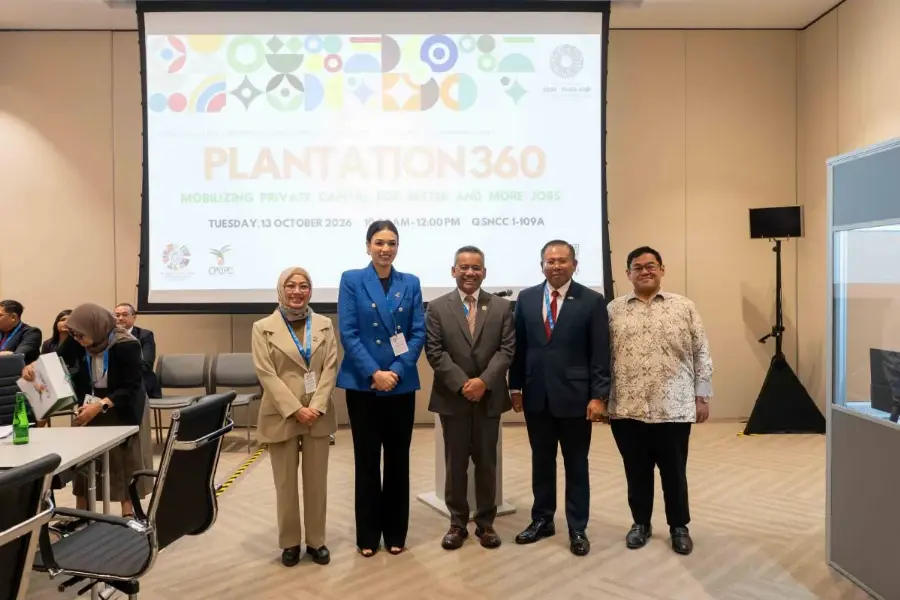
Bangkok, SAWIT INDONESIA - The Office of the Executive Director for the South-East Asia Voting Group (EDS16), World Bank Group, and the Council of Palm Oil Producing Countries (CPOPC) jointly convened “Plantation 360: Mobilizing Private Capital for More and Better Jobs” during the 2026 World Bank Group–International Monetary Fund Annual Meetings in Bangkok.
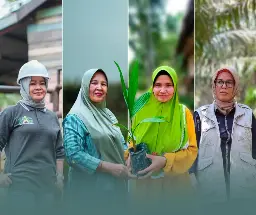
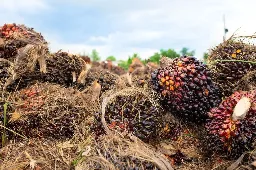
The seminar examined how to turn investment opportunities across the palm oil value chain into viable projects that create jobs and strengthen rural economies. Palm oil supports employment in cultivation, transport, processing, trade and downstream industries. More than seven million smallholders worldwide earn a living from oil palm. The scale of the sector makes it an important setting in which to examine how private finance can reach businesses of different sizes and generate wider economic benefits.
Discussions considered opportunities for investment in replanting, improved agricultural practices, processing, traceability, digital services and the productive use of palm biomass. They also addressed the conditions investors need to commit capital, including reliable information, workable policies, access to markets and ways to manage risk. For farmers and smaller enterprises, these conditions must be matched by financing and technical support they can use in practice.
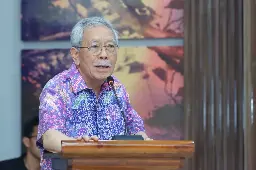
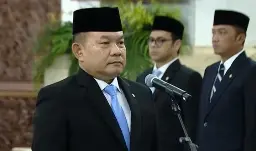
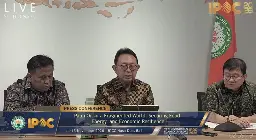
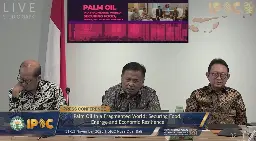
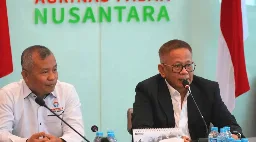
H.E. Hari Prabowo, Ambassador of Indonesia to Thailand, opened the event. In his keynote remarks, H.E. Suahasil Nazara, Minister of Finance of Indonesia, addressed the role of development finance in mobilizing investment and creating better jobs. Mdm Izzana Salleh, Secretary General of CPOPC, situated the discussion within the wider opportunities for rural livelihoods, value addition and resilient growth in palm oil-producing countries.
“Investment in palm oil should do more than expand production. It should help businesses add value, give smallholders and SMEs a fair opportunity to participate, and create jobs that offer stronger prospects for workers and rural communities,” said Mdm Izzana Salleh.
The panel examined these questions from development, investment and industry perspectives. Mr. Guangzhe Chen, Vice President for Planet at the World Bank Group, addressed the links between resilient rural transformation, jobs and private sector-led development. Ms. Jeep Kline, Board Director of Raisewell Ventures, brought an investor’s perspective to innovation in sustainable value chains, traceability and smallholder engagement. Mr. Roslin Azmy Hassan, CEO of the Malaysian Palm Oil Association, considered how sustainability efforts can be sustained alongside profitability and long-term growth.
Access to finance and the practical needs of producers were also central to the exchange. Mr. Naphongthawat Phothikit of the Bank of Thailand examined whether digital payments and financing solutions are safe and workable for smallholders and SMEs. Ms. Maharani Hapsari of the University of Gadjah Mada contributed perspectives on replanting and good agricultural practices.
The discussion extended beyond the farm. Mr. Reynaldi Hermansjah of PT Sarana Multi Infrastruktur considered lessons from public-private partnerships, while Mr. Amri Bukhairi Bakhtiar of the Indonesia-Malaysia-Thailand Growth Triangle addressed how regional cooperation could connect investment with stronger value chains. Mr. Dikki Akhmar of the Indonesian Palm Kernel Shell Entrepreneurs Association explored the potential for palm biomass to support new businesses and jobs.
These examples brought the event’s central issue into focus: attracting capital is one step; directing it towards productive enterprises and better employment outcomes is another. Investment in technology, infrastructure and downstream activity can open opportunities for workers, women and young people, provided that skills, market access and smaller businesses are considered alongside project finance.
“There is no path to the transformation we envision without the active participation of investors, financial institutions, and industry. Public resources are essential catalysts, but they cannot substitute for the scale that private capital brings,” said Mr. Nakhafi Hassan, Alternate Executive Director for EDS16.
EDS16 and CPOPC will consider how the seminar’s key messages can inform further dialogue on investable opportunities, inclusive finance and partnerships across resilient agricultural value chains.