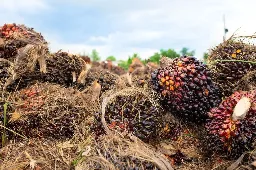
Jakarta, SAWIT INDONESIA – The SIPEF Group has kicked off 2026 with a strong performance, recording a 5.4% increase in total oil palm fresh fruit bunch (FFB) production during the first quarter compared to the same period in 2025. This growth was fueled by steady gains in Indonesia and a robust recovery in Papua New Guinea.
The Group's growth was driven by its two primary operational hubs, both showing significant year-on-year improvements:
- Indonesia (+3.2%): Despite varying regional conditions, overall production rose. South Sumatra was the clear standout, with own production surging by 19.9% and plasma volumes leaping by 45.0%, thanks to maturing plantations and favorable rainfall.
- Papua New Guinea (+9.7%): The region continued its strong recovery following the 2023 volcanic eruption. Growth was primarily led by own plantation production, which saw a 15.0% increase.
Mill Efficiency and CPO Output
The increase in field production translated into higher industrial output. Crude Palm Oil (CPO) production in Indonesia rose by 7.3% to 64,193 tonnes. This was supported by a stable average Oil Extraction Rate (OER) of 23.5%.
“We have had a strong start to the year, with solid production growth across Indonesia and Papua New Guinea, confirming the positive momentum in our operations. South Sumatra continues to emerge as a key growth driver, while Papua New Guinea is showing a clear recovery,”said Petra Meekers, Managing Director SIPEF Group.
He added that at the same time, we remain mindful of evolving weather patterns and cost pressures. Our focus remains on disciplined execution, operational efficiency, and further strengthening our production base, positioning SIPEF well for the remainder of the year.
Key mill performance notes include:
- Bengkulu: OER increased by 5.6% due to process optimization.
- North Sumatra: Mills at Umbul Mas Wisesa and Tolan Tiga saw efficiency gains of 4.9% and 3.9% respectively.
- Papua New Guinea: CPO production matched Indonesia's growth at 7.3%, though extraction rates faced slight pressure (-2.2%) due to wetter weather and evacuation delays.
While the start of the year has been positive, the Group noted potential environmental challenges. In North Sumatra, rainfall has remained below historical averages, signaling a possible transition to drier conditions. Conversely, in Papua New Guinea, operations are waiting for wet weather patterns to ease to further stabilize extraction rates.
Overall, SIPEF’s performance in Q1 2026 confirms strong underlying momentum, particularly as newly planted areas in South Sumatra continue to mature and contribute more significantly to the Group’s global profile.