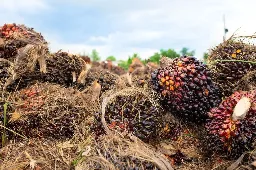
Depok, SAWIT INDONESIA – A number of palm oil stakeholders emphasized the importance of ensuring the productivity of oil palm plantations in the upstream sector and sufficient availability of palm oil supply as raw material in downstream sector before implementing the national mandatory program of biodiesel 50 percent (B50).
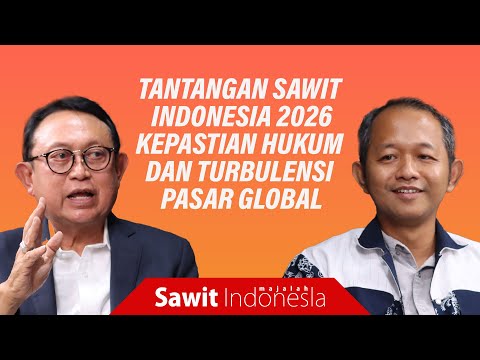
The issue of palm oil availability was highlighted during the journalist workshop on palm oil-based biodiesel 2026, which was organized by Majalah Sawit Indonesia with the support of the Plantation Fund Management Board (BPDP). Themed with “Supporting Biodiesel Program for Energy Self-Sufficiency and Indonesian Economy”, the workshop was conducted in Depok, West Java, on Thursday (05/02/2026).
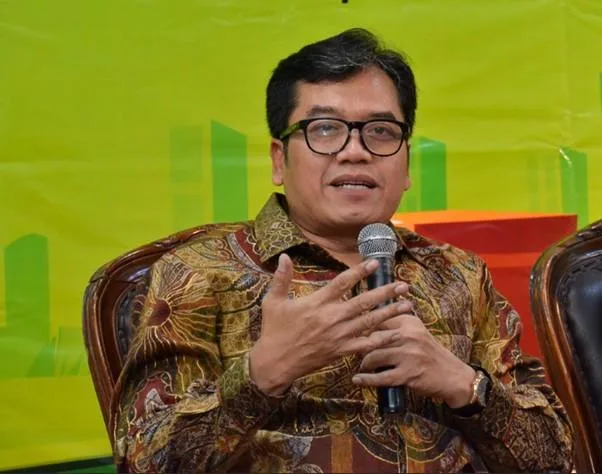
The Indonesian Palm Oil Association’s (GAPKI) Communication Division Head Mochamad Husni said that basically the industrial players fully support the biodiesel program. But he reminded the government to thoroughly consider the availability of palm oil stock as the raw material for biodiesel production before upgrading the current B40 program to B50 program.
“The palm industry players fully support the biodiesel program. But actually for the industry players it is more the issue of palm oil availability as raw material to produce the biodiesel. The question is what is the right percentage of blending under the current condition of palm oil availability? Based on current condition, many have feared that if B50 is implemented there will be a shortage of palm oil supply. What if it is facing raw material shortage?,” said Husni.
According to him, every decision to raise the blending percentage of biodiesel should be based on a thorough research and assessment, including on the latest data of production. He saw the government’s decision to delay the implementation of B50 as an anticipatory step to avoid the risk of palm oil supply shortage.
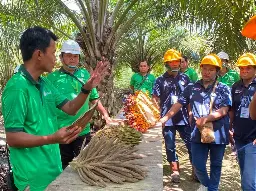
“But from the upstream perspective, the palm industry players are committed to supporting the biodiesel program by increasing their productivity. It is, among others, reflected by the international cooperation with Tanzania to bring in pollinating insects to increase the productivity of palm plantations in Indonesia,” he said.
In addition, GAPKI has also wanted to introduce new variety from Tanzania to a number of palm plantations starting from March 2026. “We’re also accelerating the implementation of replanting in smallholders’ plantations. Now, it’s been the second cycle. Hopefully, it will raise the palm plantations’ productivity significantly,” he said.
Despite the fact, the national palm oil industry is still facing a number of challenges, ranging from negative campaigns to the regulatory problems at the global market and in respective countries of export destinations.
Husni said that the palm oil sector is the strategic industry that needs protection policy to prevent it from becoming like other commodities that ended up being imported from other countries. (source: GAPKI)