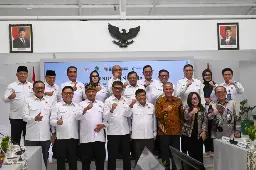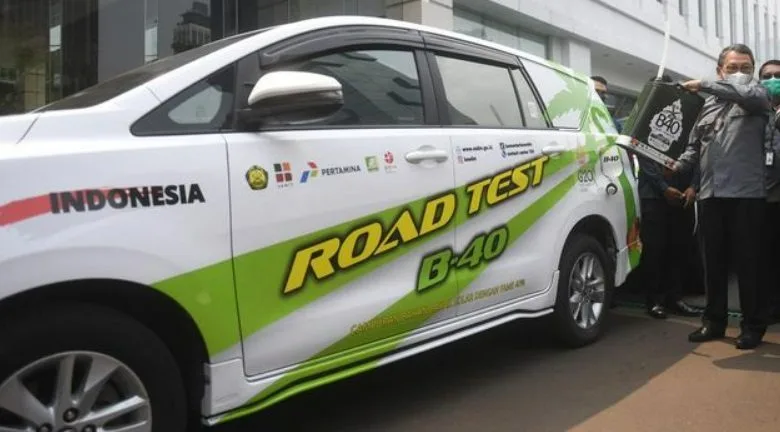
Jakarta, SAWIT INDONESIA - The Indonesian Biofuel Producers Association (APROBI), a group representing major Indonesian biodiesel producers, praised stakeholder collaboration for the smooth implementation of the country's mandatory biodiesel program.
APROBI members include some of Indonesia's largest biofuel producers, such as PT Sari Dumai Oleo (Apical Group), PT Musim Mas, PT Sinarmas Bio Energi, PT Smart Tbk, PT Wilmar Bioenergi Indonesia, and PT Wilmar Nabati Indonesia.
“The B40 mandate program is currently running smoothly, with biodiesel producers having distributed 100 percent of the allocated Fatty Acid Methyl Ester (FAME) for January 2025, in line with Purchase Orders (POs) issued by Fuel Oil Business Entities (BUBBM),” Catra De Thouars, APROBI’s Vice Chairman for Promotion and Communication, said in a statement on Friday.
De Thouars added that BUBBM, particularly PT Pertamina Patra Niaga, has issued increased POs for February compared to January.
APROBI also commended the government's policies and commitment to the biodiesel mandate as a key strategy for achieving net-zero emissions.
The 2025 biodiesel blending mandate, formalized under Energy and Mineral Resources (ESDM) Ministerial Decree No. 341.K/EK.01/MEM.E/2024, requires a 40 percent biodiesel blend in diesel fuel. The program is financed through the Palm Oil Plantation Fund Management Agency (BPDP).
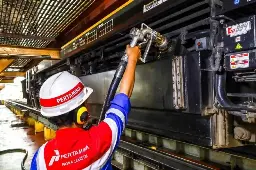
Twenty-four biodiesel producers, including APROBI members, will supply FAME to 28 oil fuel companies for blending into B40 diesel, with a total FAME allocation of approximately 15.6 million kiloliters for 2025.
The 2025 biodiesel pricing mechanism is divided into two categories:
- Public Service Obligation (PSO) Sector: Fuel companies like PT Pertamina Patra Niaga purchase biodiesel at diesel prices, with BPDP covering the price difference.
- Non-PSO/Industrial Sector: Fuel companies pay 100 percent of the biodiesel price.
Per Presidential Regulation No. 61 of 2015 and its amendments, BPDP must disburse payments within 90 days of receiving financing requests from biodiesel producers, following delivery verification.
De Thouars emphasized that BPDP now only subsidizes the price gap for the PSO sector, which accounts for 48 percent of Indonesia’s 2025 diesel demand (7.55 million kiloliters). This is a reduction from previous years when BPDP covered both PSO and Non-PSO sectors.
“Compared to previous periods, BPDP’s financial burden has decreased substantially, as they now solely support the PSO sector instead of the entire biodiesel program,” he said.
Source: jakarta daily