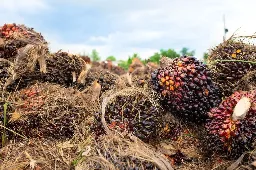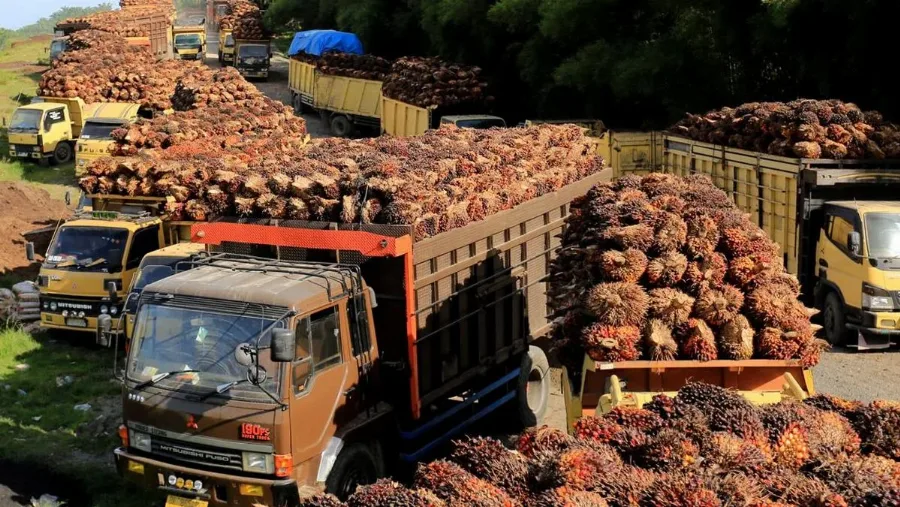
Pontianak, SAWIT INDONESIA — The prolonged dry season has caused water levels in the Kapuas River to drop significantly, paralyzing the operations of Palm Oil Mills (PKS) across eastern West Kalimantan. As a result, several palm oil mills have been forced to suspend Fresh Fruit Bunch (FFB) purchases and limit fruit processing.
Indra Rustandi, Chairman of the West Kalimantan Regional of the Indonesian Palm Oil Farmers Association (APKASINDO), explained that the prolonged drought is directly impacting mill operations and farmer livelihoods. Mills located in eastern West Kalimantan—including Sanggau, Sekadau, Sintang, Melawi, and Kapuas Hulu—are bearing the brunt of the crisis.
"Currently, river routes typically used to distribute CPO and palm fruit are impassable due to receding water levels. This situation has forced mills in Sanggau, Sekadau, Sintang, Melawi, and Kapuas Hulu to halt operations or restrict their FFB processing quotas to around 200 to 300 tons per day," Indra stated via voice message on Tuesday, September 8, 2026.
Indra noted that mills are struggling to transport Crude Palm Oil (CPO) via the Kapuas River, causing storage tanks to reach full capacity.
Consequently, the closures and operational restrictions are immediately felt by local oil palm farmers. Many growers are forced to travel across districts—such as from Sintang to Sekadau, or Sekadau to Sanggau—to find mills still willing to accept their supply.
"Farmers now have to queue for 1 to 2 days at mills that are still operational," Indra explained.
According to Indra, farmers face a delicate dilemma amidst the dry season and haze. Traveling to more distant mills drives up logistical costs and ultimately lowers the selling price of FFB at the farm level.
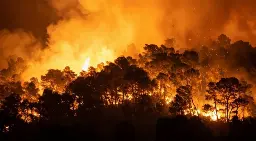
"Another looming threat is that if farmers fail to harvest and sell their produce quickly, they risk losing their plantations to dry-season wildfires," he added.
To address this recurring problem that surfaces every dry season, APKASINDO West Kalimantan is swiftly coordinating with the Indonesian Palm Oil Association (GAPKI) and the West Kalimantan Provincial Government.
One agreed-upon solution is to utilize land routes to transport CPO supplies from full storage tanks to docks or ports in Tayan, Sanggau Regency, which remain accessible to barges.
"We are urging coordination with the Provincial Government so that CPO can be transported overland and temporarily utilize port facilities belonging to other companies in Tayan with lower daily loading and unloading frequencies. By doing so, mill storage tanks can be emptied, allowing the acceptance of FFB from farmers to resume smoothly," Indra hoped.